
What “Good Sound” Actually Means in a Media Room
(and why not all surround sound systems are created equal)
When people walk into a finished media room, they usually notice the screen first.
But what actually makes the experience stick?
It’s the sound.
And most homeowners don’t realize what they’ve been missing until they hear a properly designed system.
What Do 5.1, 7.2, and 7.2.2 Actually Mean?
You’ve seen the numbers. Here’s what they actually represent:
[Main speakers] . [Subwoofers] . [Height speakers]
5.1
- 5 main speakers (front left, center, right, plus two surrounds)
- 1 subwoofer
This is the baseline for surround sound.
7.2
- 7 main speakers (adds rear surrounds)
- 2 subwoofers
This improves depth and smooths out bass across the room.
7.2.2 (Dolby Atmos)
- 7 main speakers
- 2 subwoofers
- 2 height speakers
This adds overhead sound, creating a true three-dimensional environment.
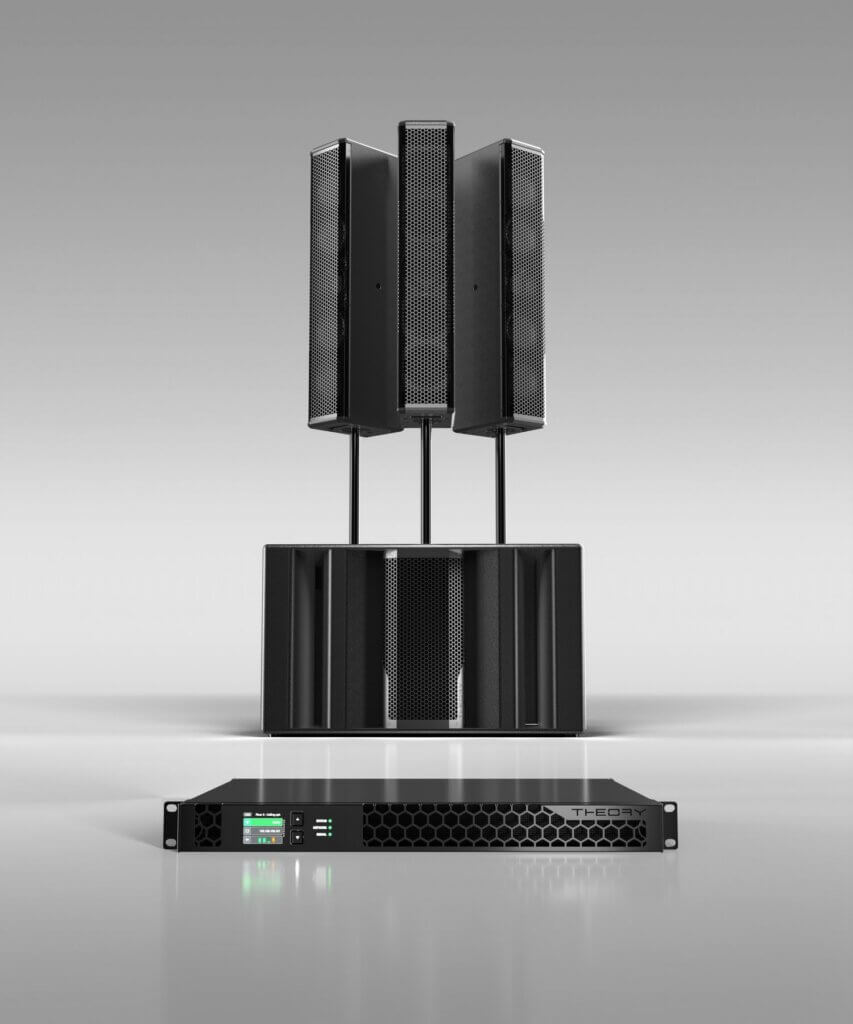
What That Means for the Experience
This isn’t about adding more speakers just for the sake of it.
It’s about how sound moves through the room.
- 5.1 → You’re surrounded
- 7.2 → You’re placed more accurately in the scene
- 7.2.2 → You’re inside the environment
Think about:
- Rain falling from above
- A helicopter passing overhead
- Subtle ambient sounds that make everything feel real
That’s the difference between watching something and actually feeling it.
Why Two Subwoofers Matter More Than You Expect
Most people think subwoofers just mean more bass.
That’s not really the point.
Low-frequency sound behaves differently. It reflects, builds up, and cancels out depending on the room.
That’s why a single subwoofer often creates:
- Loud, boomy spots in one seat
- Weak or missing bass in another
Using two (or more) subwoofers:
- Evens out bass across the room
- Tightens the overall sound
- Delivers impact without overwhelming the space
This is one of the biggest upgrades people notice immediately.
Consumer Audio vs Professionally Designed Audio
This is where the gap becomes obvious.
Consumer Systems (Soundbars, Box Systems)
Designed for:
- Easy installation
- Broad compatibility
- Lower cost
Tradeoffs:
- Limited separation between sounds
- Reduced clarity and detail
- Little to no tuning for your space
They sound fine… until you hear something better.
Professionally Designed Systems
Built specifically for:
- Your room dimensions
- Seating layout
- Materials and finishes
Everything is:
- Engineered
- Measured
- Tuned
The result:
- Clear dialogue at any volume
- Effects that move precisely through the space
- Balanced, controlled bass
- A system that feels natural to listen to
This aligns with what most homeowners actually want—technology that works without constant adjustment and delivers a consistent experience across the room
What “Compression” Does to Sound
This is one of the biggest hidden differences.
Compression reduces the gap between quiet and loud sounds.
Consumer systems rely on it because:
- Smaller speakers can’t handle big dynamic swings
- It prevents distortion
- It keeps everything safe and controlled
But it also flattens the experience:
- Explosions lose impact
- Dialogue feels less natural
- Everything sits at the same level
Why Dynamic Range Matters
Professional systems are built to handle the full range of sound:
- Whisper-quiet dialogue
- Sudden, powerful moments
- Everything in between
When it’s done right:
- Quiet scenes pull you in
- Loud moments feel intense without being harsh
- Nothing sounds strained
That contrast is what makes audio feel real.
The Role of Digital Sound Processing
This is the system behind the scenes making everything work.
It:
- Aligns timing between speakers
- Balances levels across the room
- Adjusts for reflections and materials
Without it:
- Sound arrives slightly off
- Dialogue feels disconnected
- The experience changes depending on where you sit
With it:
- Everything locks into place
- The room feels cohesive
- Every seat works
The Real Goal: Sound That Disappears
The best systems don’t call attention to themselves.
They don’t feel loud.
They don’t feel aggressive.
They don’t need constant tweaking.
They just feel right.
That’s the difference between a system you notice… and one you actually enjoy using.
Final Thought
Great audio doesn’t just support the video—it defines the experience.
And in a well-designed media room, it’s often the difference between:
“That’s a nice setup”
and
“That felt incredible”
If you’re planning a media space, this is one of those areas where decisions made early have a massive impact on the final result.