
The Hidden Vulnerability in Denver’s Luxury Homes: Is Your Lighting System Living on Borrowed Time?
If your home was built or renovated between 1998 and 2010, there’s a good chance you have what was considered a world-class lighting system at the time.
And to be fair—it probably still feels that way.
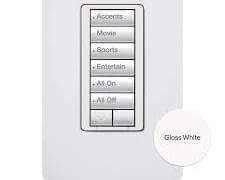
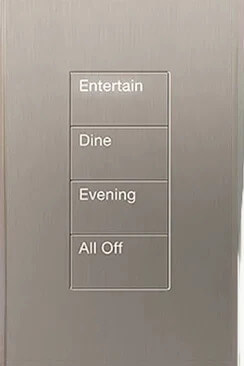
Beautiful keypads. Thoughtful lighting scenes. Maybe even whole-home control that still works… most of the time.
But behind the scenes, there’s a quiet issue that almost no one talks about—until it becomes a very expensive problem.
The “Cliff” No One Warned You About
Most high-end lighting systems installed before 2010 were built on something called volatile memory.
Here’s the simple version:
These systems only “remember” how your home works as long as they have constant power.
To prevent everything from being wiped during a power outage, manufacturers installed small backup batteries inside the processor—the “brain” of the system.
Those batteries were never meant to last forever.
Most were rated for about 10–12 years.
Which means…
if your system was installed in 2005, that battery is now pushing 20.
That’s not a buffer. That’s borrowed time.
Why This Matters More in Colorado
In the Front Range, power stability isn’t exactly guaranteed.
Between:
- Summer lightning storms
- Winter snow events
- Wind-related shutoffs from Xcel Energy
- Random grid fluctuations
…your home doesn’t need a major outage to trigger a problem.
It just needs a flicker.
The “Blank Slate” Moment
When that internal battery finally fails, nothing seems wrong at first.
Lights still turn on. Keypads still respond.
Until the next time your power drops—even briefly.
That’s when the system loses everything.
- Lighting scenes: gone
- Keypad functionality: gone
- Schedules: gone
- Logic: gone
Your home essentially wakes up with no memory of how it’s supposed to function.
And here’s the part most homeowners don’t expect:
There is no simple reset.
Why This Isn’t a Quick Fix
Many of these systems—early Lutron, Crestron, Vantage—are now fully discontinued.
No new processors.
No factory support.
No easy replacement parts.
So when the system fails, the options usually look like this:
- Hunt down rare, used components (if they exist)
- Attempt a partial rebuild (rarely clean or reliable)
- Replace the system entirely
And in today’s world, replacement components and systems don’t show up overnight.
You’re often looking at weeks—not days.
In some cases, homeowners are left managing lighting manually… or not at all.
And yes, there are scenarios where people temporarily leave the home because it’s simply not functional.
Not ideal.
This Is Why People Call Us (Usually Too Late)
Most homeowners don’t think about their lighting system until something breaks.
Which makes sense—when it works, it’s invisible.
But when it fails, it disrupts daily life immediately.
And this lines up with what we consistently see: homeowners don’t want to deal with fragmented systems, unreliable tech, or something that only half works. They want things simple, unified, and dependable.
The problem is, with pre-2010 systems, reliability isn’t something you can “service” back into existence.
At some point, it has to be replaced.
What’s Changed (And Why It’s Not Just About Avoiding Failure)
Modern lighting systems don’t rely on volatile memory.
They use non-volatile memory, which means:
They don’t forget.
Power outage? No issue.
Battery failure? Doesn’t matter.
System restart? Everything comes back exactly as it was.
But the bigger shift isn’t just reliability—it’s what lighting can actually do now.
Lighting That Works With Your Body
At 5,280 feet, sunlight plays a bigger role in how we feel than most people realize.
Modern lighting can follow that same rhythm inside your home:
- Bright, cooler light in the morning to help you wake up
- Balanced light during the day for clarity and focus
- Warmer tones in the evening to support better sleep
It’s not about gimmicks—it’s about aligning your home with how your body already works.
Color That Actually Matters
Older systems gave you “bright” or “dim.”
That’s it.
Now, lighting can be tuned across a full spectrum:
- Warm, candle-like tones for evenings
- Clean, natural whites for daytime
- Precise color rendering to make artwork and materials look the way they should
It’s the difference between lighting a room… and actually shaping how it feels.
The Smart Move Isn’t Waiting
If your lighting system is 12–20 years old, you’re already in the risk window.
And the worst time to deal with this is after failure—when decisions are rushed, parts are scarce, and your home isn’t functioning the way it should.
A proactive approach looks very different:
- Planning the upgrade before anything fails
- Designing the new system around how you actually live today
- Preparing everything in advance so installation is controlled—not reactive
No scrambling. No surprises.
Just a clean transition.
So… Is Your System Still Safe?
If you’re not sure when your system was installed—or what condition it’s in—that’s usually a sign it’s time to take a look.
Because these systems don’t send warnings.
They just… stop remembering.
In the Denver Metro Area? Get in touch and we will happily come take a look!
Schedule a System Health Check
If your home was built or updated before 2010, we can quickly assess where things stand and what your options look like.
No pressure. No overhaul unless it actually makes sense.
Just clarity—before the lights go out for real.
How do I know if my lighting system is outdated?
If your home was built or renovated before 2010 and you have centralized lighting keypads instead of traditional switches, there’s a good chance your system is running on older hardware. The easiest way to confirm is to check the equipment in your mechanical room or have a professional evaluate it.
What happens when an older lighting system fails?
In many cases, the system loses its programming completely. That means your lighting scenes, schedules, and keypad functions stop working. Depending on the system, lights may default to staying on, staying off, or behaving unpredictably.
Can an old lighting system be repaired instead of replaced?
Sometimes—but it’s becoming less common. Many older systems are discontinued, and replacement parts are difficult to find. Even if a repair is possible, it’s often a temporary fix rather than a long-term solution.
Why do power outages affect older lighting systems?
Older systems rely on volatile memory, which requires constant power to retain programming. When backup batteries fail and power is interrupted—even briefly—the system can lose all of its settings.
How long do lighting control systems typically last?
Most systems installed in the early 2000s are now well beyond their expected lifespan, especially when it comes to internal components like backup batteries. While some may continue working, they are operating in a higher-risk window for failure.
What’s different about modern lighting systems?
Modern systems use non-volatile memory, meaning they retain their programming even during power loss. They also offer significantly improved lighting quality, including color tuning, better dimming, and lighting that adjusts throughout the day.
Is upgrading just about avoiding failure?
Not really. While reliability is a big part of it, most homeowners notice a significant improvement in how their home feels day to day—especially with better lighting quality, simpler control, and more intuitive functionality.
How long does it take to replace a lighting system?
It depends on the size of the home and the complexity of the system, but planning ahead allows for a much smoother process. Waiting until a system fails often leads to longer downtime and fewer options.