
A Faster Way to Budget Technology for Your Projects
Over the last few months, we’ve been working on something internally that’s honestly been a long time coming.
We built our own budgeting system.
The whole goal was pretty simple: give our trade partners a way to get real, usable numbers quickly—without having to wait on a full proposal every time.
Because we all know how this actually goes. You’re in the middle of a project, timelines are tight, and you just need a number to keep things moving.
Waiting a week (or more) for a full breakdown doesn’t always fit that reality.
Why We Built This
For over 20 years, we’ve done full, detailed proposals on pretty much everything that comes through the door. That’s been our standard, and it’s worked well—especially since a lot of our work comes from long-standing relationships where things aren’t always competitive bids.
But not every situation is like that. Sometimes you’re just trying to get a budget together quickly so you can stay in the game.
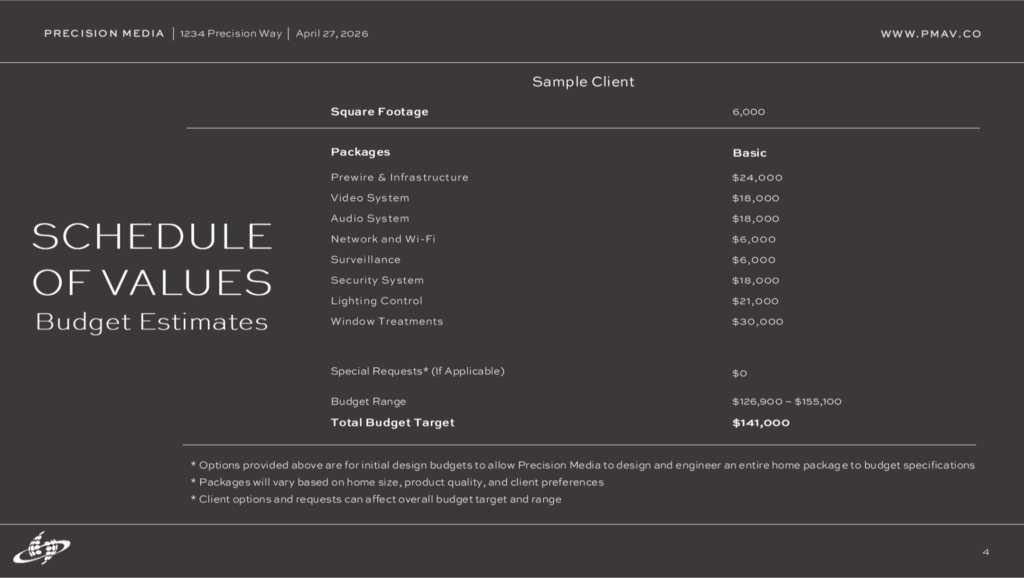
So we built a tool that lets us take what we already know—based on real projects, real costs, and this market—and turn it into a solid budget number without going through the entire proposal process.

How It Works
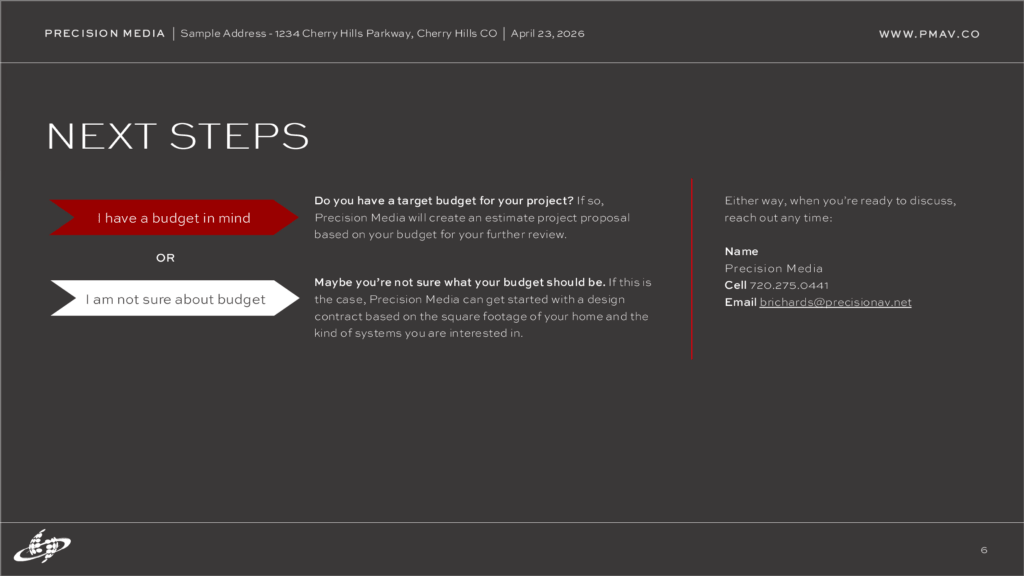
If you’ve got plans, great. If you don’t, square footage and a quick conversation about the project is possibly enough.
We talk through what the client actually cares about, where they’re trying to land from a budget standpoint, and we can turn that into a structured estimate pretty quickly. In a lot of cases, it’s basically happening in real time.
Why This Is Different Than Online Estimators
There are plenty of DIY calculators out there. We’ve even had one on our own site.
But the reality is, most of those are built on broad, nationwide data. They don’t really understand what a custom home looks like in this market, or how projects actually get built and evolve once design starts getting dialed in. And they don’t know you. Our partners that we work with every day. How you like things done on your jobs, and what expectations your clients tend to have. Perhaps your design team always handles window treatments. Whatever it is, we can help navigate that with the human element.
So the numbers can be… optimistic. Or completely off. This is different because it’s based on what we actually see and build every day. And we are involved in creating it. We know the reality, and the right questions to ask to help get you to a closer budgetary number.
This Isn’t Replacing Full Proposals
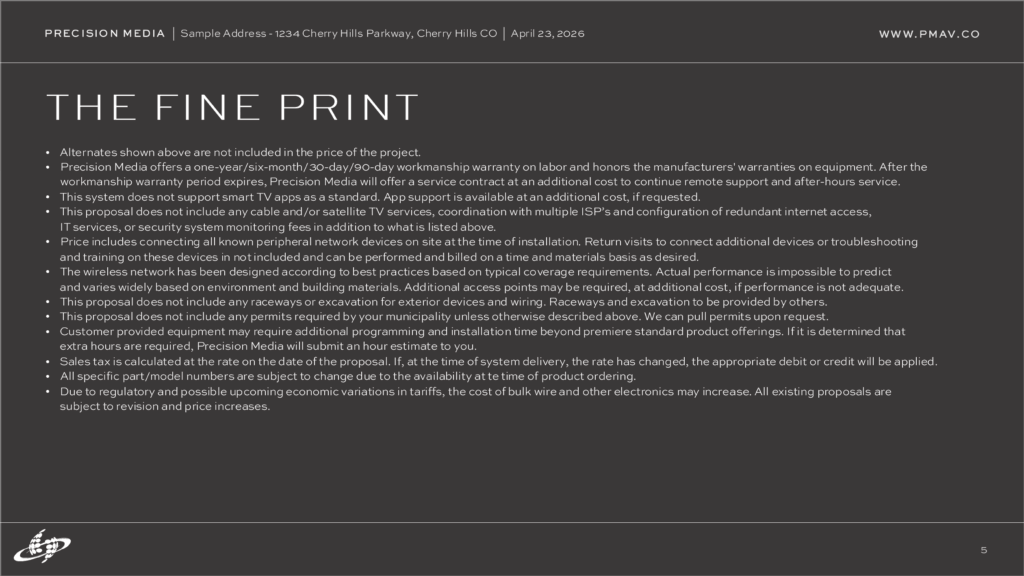
To be clear, this doesn’t replace a full proposal. If you want a detailed scope, we’re still doing that the same way we always have. This is just another option for when you don’t need all of that yet.
Sometimes you just need a number you can trust so you can keep the project moving forward and have a more grounded conversation with your client.
Why It Actually Helps
The biggest benefit we’re seeing isn’t just speed—it’s better early decisions.
Instead of guessing, or leaving a placeholder that’s way off, you’ve got something realistic to work from.
That usually leads to fewer surprises later, and fewer “we didn’t realize it would cost that much” conversations halfway through the project.
On Our End
There’s also a practical side to this for us. Full proposals take time. A lot of it. And that effort eventually gets baked into project costs whether anyone talks about it or not.
If we can streamline that part of the process when it makes sense, it helps keep things more cost efficient for everyone.
Bottom Line
If you want a full proposal, we’re always going to do that.
But if you just need a quick, real-world budget number to keep things moving, we can do that now too.
And we can do it fast. Shoot us a message to connect with us and we will get you taken care of!
You can also fill out a more comprehensive request, or you can direct your client here so that we have a good understanding of the scope of their preferences prior to giving you a number.